

Q2 2026 marked the beginning of the Faculty Fellows program at Risepoint. In April, our nine inaugural Fellows, a group of program leaders across different Risepoint partner institutions, gathered in New Orleans for an in-person anchor experience held alongside the UPCEA Annual Conference. In the following months, the cohort moved into virtual working sessions, digging into two of the many topics the cohort will be exploring together.
Get an inside look at the discussions, innovations, and opportunities emerging from the Faculty Fellows community.
The anchor experience
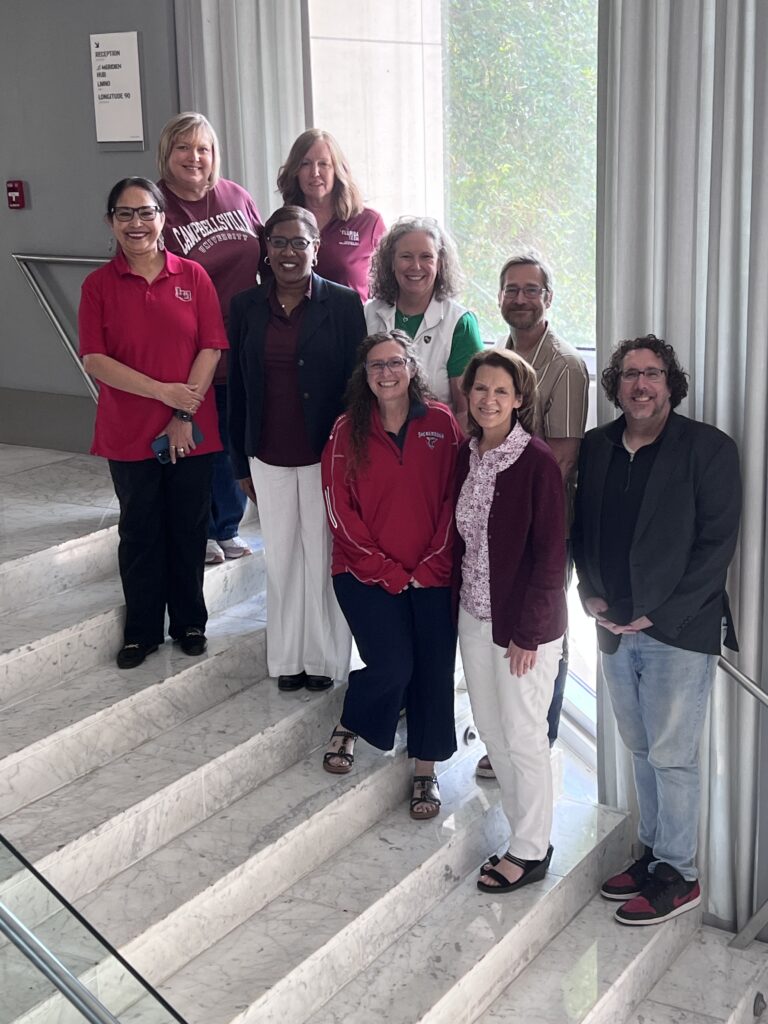
The Fellows explored improv warm-ups, participated in brainstorm sessions on AI-enabled learner experiences, attended the UPCEA conference, and were introduced to Academic Services priorities with roundtable sessions. During these sessions, Fellows worked directly with Risepoint team members on topics like AI tools, workforce relevance in online courses, and modern faculty skill sets.
“The anchor experience bonded us as a group of faculty and set the foundation for our work as fellows.”
The Fellows were unanimous in their feedback. Every one of the nine described the experience as extremely valuable, and all said they were very or extremely likely to apply something from it to their program or teaching within the next three to six months. The Fellows agreed that the experience was extremely relevant to their current role and priorities.
When asked what they wanted most going forward, Fellows consistently pointed to continued peer collaboration and the chance to engage in future pilots.
“It was a once-in-a-lifetime experience and growth opportunity.”
Deep-dive sessions
After the anchor experience, our conversations and collaborations continued.
Modern faculty competencies
Fellows discussed what distinguishes successful faculty in online, accelerated courses and mapped skills across a variety of domains, including course design, teaching presence, technology/AI, and soft skills. A few themes stood out:
- “Presence” in an asynchronous course doesn’t mean constant availability. Rather, presence means predictable, timely communication at the moments in which students need it most.
- Interpersonal skills like humility, receptiveness to feedback, and comfort with ambiguity were treated as core to succeeding in a partnership with instructional designers and institutional teams.
- AI and technology fluency showed up as an expected competency but were framed around adaptability, exploration, and responsible use rather than technical mastery.
After the session, one Fellow shared:
“Great discussion today! I picked up a few great ideas and things to consider in designing, developing, and delivering our online courses.”
Media in online courses
This session explored where media adds real value, what motivates faculty to create it, and how AI is changing the picture:
- Media matters most when it’s tied to a clear purpose. For example, explaining a tricky concept, easing a stressful moment, or giving students a sense that “there’s actually a professor there.”
- The biggest barriers to media creation are time, tool friction, and uncertainty about what “good enough” looks like.
- Fellows are open to AI as a tool that helps them draft, adapt, and scale their own work faster, but drew a clear line at anything that replaces their voice, judgment, or connection with students.
The session made an immediate impact:
“I actually incorporated two discussed items into the Risepoint course I am working on building right after the meeting. Super valuable! Thank you!”
Looking ahead
This fall, the Fellows will dive into three emerging areas that are shaping the future of online teaching and learning.
- Assessment in the age of AI: exploring how assessment design must evolve as AI reshapes what students can do independently
- Evaluating modern content experiences: building on previous findings to assess what “good” looks like in today’s online courses
- Kicking off AI-enabled pilots: moving from ideas into hands-on testing, giving Fellows an early look at how these concepts perform in real courses
We look forward to sharing more insights from our Faculty Fellows community soon.